
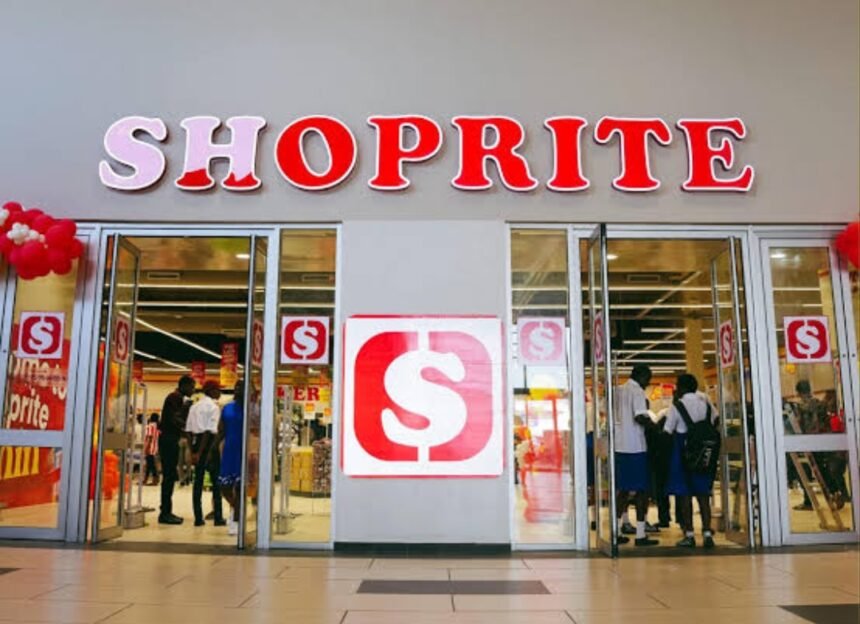
The nationwide shutdown of outlets operated by Shoprite has dealt a heavy blow to Nigeria’s estimated N2.5 trillion mall economy, with Lagos businesses among the worst affected as the once-dominant supermarket chain completes its winding down operations after two decades in the country.
Analysts estimate that about N1.4 trillion in economic activity may have been lost following the collapse of the retail giant, with thousands of employees, suppliers and small businesses that depended on the supermarket chain now grappling with the fallout.
In Lagos, where several of the company’s busiest outlets operated, the impact has been particularly severe. Locations in Apapa, Lekki and Festac have either shut down completely or significantly scaled down operations, leaving malls that once bustled with shoppers struggling to attract visitors.
Shoprite, which entered Nigeria in 2005, quickly became a cornerstone of the country’s modern retail sector, expanding to about 25 outlets across 13 states. The supermarket chain served as an anchor tenant in many malls, attracting heavy customer traffic that sustained smaller businesses such as boutiques, restaurants, pharmacies and cinemas.
However, the chain’s fortunes began to decline in the aftermath of the COVID-19 pandemic as border closures, foreign exchange shortages, rising import tariffs and logistics costs mounted pressure on its operations.
In 2021, the South African parent company Shoprite Holdings Limited exited direct ownership of its Nigerian operations, selling the business to Ketron Investment Limited, a consortium led by Persianas Investment Limited, owners of The Palms Mall and other retail properties.
Despite assurances that operations would continue under the new ownership, signs of trouble emerged in 2024 when shoppers began noticing empty shelves in several outlets. Basic household items gradually disappeared from stores, leaving only limited products such as wine, detergents and toys on display.
By the fourth quarter of 2025, multiple outlets across Lagos had shut their doors entirely.
At Apapa Mall, traders say the closure of the supermarket has drastically reduced foot traffic and sales. A fashion retailer inside the mall told reporters that some days now pass without a single sale.
“People used to come to buy groceries at Shoprite and then walk around to other shops,” she said. “Now only a few returning customers come.”
A similar situation was reported at the Lekki outlet, where shop owners said customer traffic has shifted to other sections of the mall since a new supermarket moved into part of the complex.
At Festac Mall, although other attractions such as hotels and entertainment facilities still draw visitors, businesses inside the mall say the absence of Shoprite has significantly reduced patronage.
A shoe retailer in the mall said weekly sales have dropped sharply since the supermarket closed.
“When Shoprite was here, we could make more than N2.5 million in a week. Now we barely make N1 million,” he said, adding that some shop owners now open only once or twice a week because of low sales.
The shutdown has also affected suppliers who relied on the chain as a major bulk purchaser of food items, beverages and locally manufactured goods. Many small distributors are now searching for alternative retail outlets for their products.
Despite the widespread closures, operators of the Nigerian franchise insist the development does not represent a complete exit from the country.
Retail Supermarkets Nigeria Limited, the company managing the brand locally, says it is undergoing a “comprehensive business model reset” to adapt to Nigeria’s challenging economic environment.
Chief Strategy Officer Bunmi Cynthia Adeleye said the restructuring is aimed at ensuring long-term sustainability amid persistent macroeconomic headwinds.
For now, however, the empty storefronts and quieter malls across Lagos reflect the scale of the disruption caused by the disappearance of one of Nigeria’s most influential retail brands.
Until a clear revival plan emerges, thousands of workers, suppliers and small business owners remain uncertain about the future of the supermarket chain that once anchored the country’s modern shopping culture.