
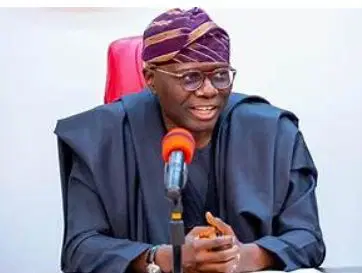
Lagos State Governor, Babajide Sanwo-Olu, has directed residents, employers and workers to obtain health insurance coverage by December 31, 2026, ahead of the enforcement of mandatory health insurance across the state from January 1, 2027.
Sanwo-Olu announced the deadline on Tuesday during the launch of the Lagos Private Health Plans (LPHP), an initiative designed to extend health insurance coverage to formal sector workers and corporate organisations.
The scheme, introduced under Executive Order EO/BOS/01/2024, will complement the existing Ilera Eko programme, which provides subsidised healthcare coverage for vulnerable residents and those in the informal sector.
The governor said the policy was aimed at reducing the financial burden of medical treatment on households and ensuring residents could access healthcare without exhausting their income on hospital bills.
“Every resident, every employer, and every worker in Lagos State is required to have social health insurance,” he said, stressing that individuals, employers and the government all had responsibilities under the executive order.
According to Sanwo-Olu, Ilera Eko will continue to serve vulnerable residents and the informal sector, while the new private health plans will cater to the formal workforce.
He said licensed actuaries had reviewed nearly two million claims and enrolment records to determine the cost of providing insurance coverage for formal sector workers.
The governor added that 21 health maintenance organisations (HMOs) had endorsed participation in the new scheme, describing it as a public-private partnership to expand insurance coverage and improve healthcare delivery.
Sanwo-Olu said the government had granted a moratorium until December 31, 2026, to allow residents and employers sufficient time to enrol before enforcement begins.
“I truly, truly want compliance. I don’t want a horse whip for anybody. I want people to go out there and let us have free compliance,” he said.
He also announced the establishment of an implementation steering committee and an enforcement task force to coordinate the rollout and ensure compliance.
The government, he said, would monitor participating HMOs to ensure timely hospital payments, prompt settlement of claims and delivery of treatments covered by insurance plans.
“At least 70 kobo of every naira of premium paid that you collect must be spent on care,” Sanwo-Olu said, adding that quarterly monitoring reports would be published.
He explained that contributions from the private health plans would also support the Lagos State Health Equity Fund, which provides coverage for residents unable to afford insurance premiums. Other contributions would help fund drugs, medical equipment and staffing in public health facilities.
The governor pledged transparency and timely payments to healthcare providers, insisting that every naira entering the system must be accounted for publicly.
He also appealed to Nigerian medical professionals who had relocated abroad to consider returning, arguing that improved healthcare financing could make the sector more sustainable.
Speaking at the event, the Commissioner for Health, Prof. Akin Abayomi, said advances in medical technology, including artificial intelligence, robotics and modern diagnostic equipment, had increased the cost of healthcare delivery.
He stressed that an inclusive health insurance system was necessary to protect residents from rising medical expenses and improve access to quality care.
Earlier, the Chairman of the Lagos State Health Management Agency (LASHMA), Dr Adebayo Adedewe, disclosed that the state had increased its Health Equity Fund from ₦1 billion to ₦3 billion.
He said the fund was intended to provide insurance coverage for more than 500,000 vulnerable residents who could not afford the required premiums.
Adedewe added that LASHMA would intensify enrolment and public awareness through radio campaigns, billboards, digital advocacy and partnerships with traditional rulers, market associations, transport unions and other grassroots organisations.