

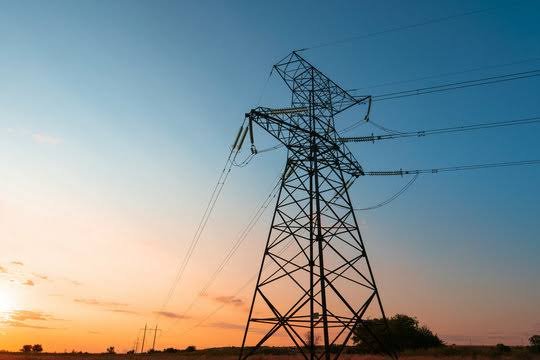
Nigeria’s electricity transmission network suffered another disruption on Friday after four major transmission lines tripped within 16 minutes, triggering significant power supply losses in Lagos and other parts of the country.
However, the Nigerian Independent System Operator (NISO) dismissed concerns about another national grid collapse, explaining that the incident was caused by transmission line disturbances and not a system-wide failure.
In a statement issued on Friday, NISO said the first incident occurred at 12:34pm when the Omotosho-Ikeja West transmission line tripped, resulting in a significant reduction in electricity supply across the Lagos Complex.
The situation worsened at 12:50pm when three additional transmission lines — Ihovbor-Oshogbo, Benin-Egbin and Ihovbor-Ajaokuta — also tripped, causing further load losses in parts of the country.
According to the operator, its emergency response teams, working with the Transmission Company of Nigeria (TCN), immediately activated measures to stabilise the network and restore electricity transmission.
NISO confirmed that all four affected transmission lines had been restored by 2:49pm, approximately two hours and 15 minutes after the initial incident.
The operator urged electricity consumers not to mistake the disruption for a national grid collapse, insisting that the incident was limited to transmission facilities.
The latest development comes amid persistent electricity supply challenges across the country, characterised by declining power generation, gas supply constraints and repeated disturbances on the transmission network.
On October 19, 2026, electricity generation reportedly plunged from 3,840 megawatts to 477MW following multiple trippings on Nigeria’s 330-kilovolt transmission network. NISO also attributed that incident to transmission disturbances rather than a complete grid collapse.
Similarly, in early November, electricity supply deteriorated significantly after gas supply constraints affected thermal power stations, while reduced water inflows into reservoirs limited hydroelectric generation.
On November 5, a generation snapshot showed electricity output at 449.20MW around 11am, although the figure was not confirmed as an official NISO generation record.
The Federal Ministry of Power had identified Lagos, Abuja, Ogun, Kwara and Oyo among the areas particularly affected by the supply constraints.
The recurring disruptions have raised fresh concerns about the reliability of Nigeria’s electricity supply chain, which depends on adequate gas supplies, sufficient hydroelectric output and a stable transmission network to deliver power to distribution companies.
NISO reaffirmed its commitment to maintaining grid stability and coordinating electricity transmission across the country.