

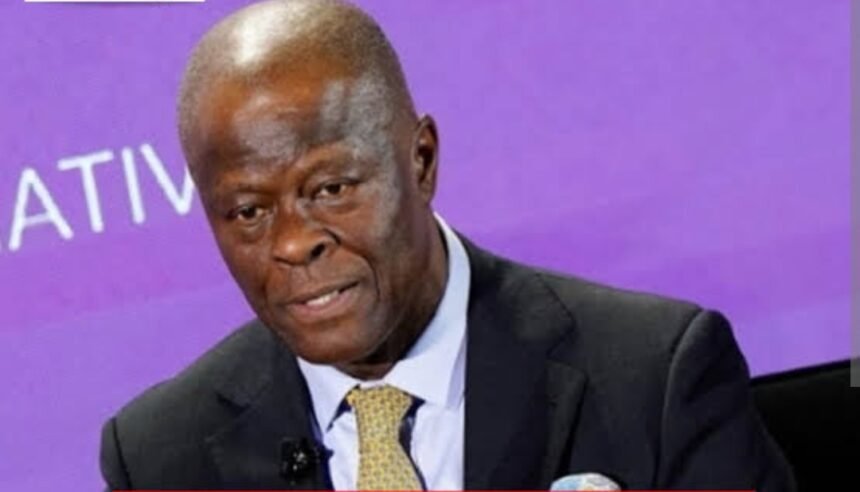
The removal of Wale Edun as Nigeria’s Minister of Finance and Coordinating Minister of the Economy was the culmination of months of internal tensions, policy disagreements, and mounting pressure over fiscal performance within President Bola Ahmed Tinubu’s administration.
The decision, formally announced by the Secretary to the Government of the Federation, George Akume, was part of a broader cabinet reshuffle that also affected the Ministry of Housing and Urban Development, with Ahmed Dangiwa relieved of his duties. In a swift move to stabilise the economic team, the President elevated Taiwo Oyedele from Minister of State for Finance to the substantive Minister of Finance.
Edun’s exit came as a surprise to many observers, largely because of his long-standing relationship with President Tinubu. Their alliance dates back to 1999–2007, when Edun served as Commissioner for Finance in Lagos State during Tinubu’s tenure as governor. This history initially positioned Edun as one of the most trusted figures in the administration, with significant influence over fiscal policy, budget coordination, and economic planning.
However, beneath that close relationship, cracks had been forming for over a year. A key source of friction was the persistent delay in releasing funds for capital projects. Ministries, departments, and agencies (MDAs) repeatedly complained about inadequate budget implementation, while contractors across the country protested the non-payment of verified debts for completed government projects.
By late 2025, the situation had escalated into a full-blown crisis. Indigenous contractors staged demonstrations in Abuja, including symbolic protests at the Ministry of Finance, accusing the government of neglect and pushing many firms toward collapse. Estimates put outstanding contractor liabilities at over ₦1.5 trillion, affecting more than 2,000 contractors tied to projects under the 2024 and 2025 budgets.
The National Assembly also became increasingly critical. Lawmakers accused the finance ministry of recording near-zero implementation of the 2025 capital budget, despite substantial appropriations. The delays disrupted Nigeria’s January–December budget cycle and triggered a ripple effect across infrastructure development, job creation, and economic growth.
In his defence, Edun maintained that the government had deliberately moved away from the previous practice of financing obligations through monetary expansion, often described as “printing money.” He argued that prioritising debt servicing and fiscal discipline was necessary to stabilise the economy and restore investor confidence. He also insisted that a significant portion of the 2024 budget had been implemented and that capital releases for 2025 were progressing, albeit slowly.
Despite these explanations, dissatisfaction within the Presidency deepened. President Tinubu was said to have received repeated complaints from ministers, lawmakers, and stakeholders about funding bottlenecks and stalled projects. In response, he reportedly intervened several times, demanding improved coordination and faster budget execution, but remained unconvinced by the outcomes.
Tensions reached a breaking point during a Federal Executive Council meeting in December 2025, where a heated exchange reportedly occurred between the president and Edun over the pace of capital releases and overall fiscal management. The confrontation marked a turning point in their relationship.
Following that incident, a gradual but clear shift in power began within the finance ministry. Some of Edun’s core responsibilities—particularly budget execution, contractor payments, and revenue coordination—were reassigned. At different points, these functions were handled by the Minister of State for Finance, signalling a loss of confidence in Edun’s leadership.
Further indications of his weakening position emerged in early 2026 when Taiwo Oyedele, a respected tax reform expert and chairman of the Presidential Fiscal Policy and Tax Reform Committee, was brought into the ministry as Minister of State. Within government circles, the move was widely interpreted as a strategic step toward eventual succession.
Edun reportedly made attempts to repair his relationship with the president, including a private visit to Lagos. Although the meeting took place, insiders said it failed to ease the growing tension or restore his standing within the administration. His access to the president became increasingly restricted, reinforcing perceptions that his exit was only a matter of time.
Ultimately, a combination of factors sealed Edun’s fate: sustained pressure from unpaid contractors, criticism from lawmakers, internal dissatisfaction over budget execution, and a breakdown in trust between him and the president. The reshuffle that removed him reflects a broader effort by the Tinubu administration to reset its economic management strategy and restore confidence in fiscal governance.
With Taiwo Oyedele now at the helm, expectations are high for improved budget implementation, better coordination of fiscal policy, and a more responsive approach to the challenges facing Nigeria’s economy.