

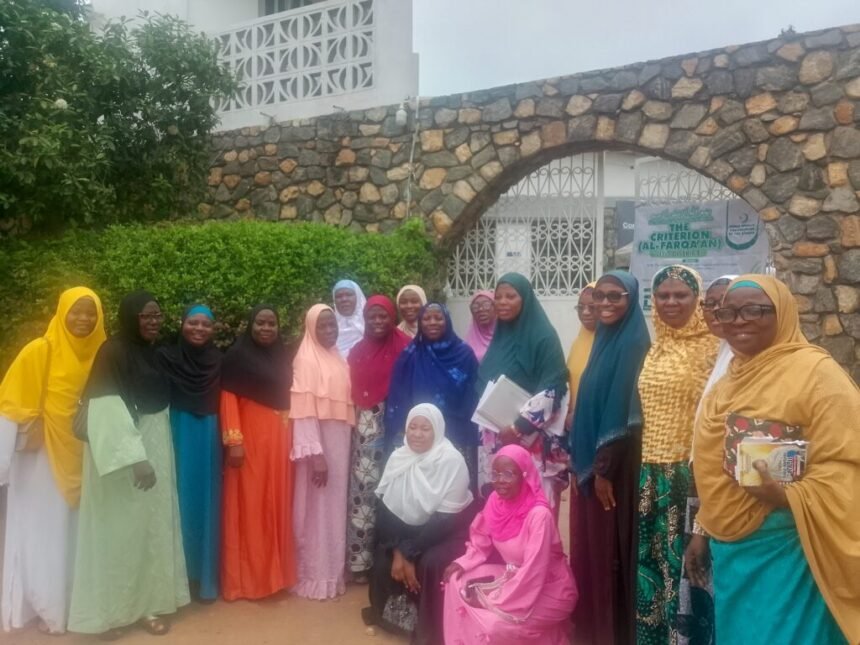
A food scientist with the Federal Ministry of Health, Dr Kafayat Adebayo, has advised Nigerians to reduce their consumption of over-processed and ultra-processed foods and drinks to protect their health.
Adebayo, the Oyo State Coordinator of Port Health Services, gave the advice while delivering a health talk at the 2026 Quarterly Lecture organised by Criterion, Oyo District, on Sunday in Ibadan.
She said many highly processed and refined foods and drinks lose important nutrients during processing and could contribute to chronic and life-threatening diseases.
The public health expert noted that Nigeria had an abundance of traditional and natural foods and encouraged Nigerians to consume more locally available fruits, vegetables, beans and other natural foods.
“Let us look around, choose and eat more natural foods and fruits that are locally available. These foods are often cheaper, safer and more affordable,” she said.
Adebayo also advised Nigerians to avoid late-night eating, exercise regularly and undergo routine medical check-ups to facilitate early detection and treatment of diseases.
Also speaking, an educationist and Proprietress of Al-Barka Group of Schools, Alhaja Jamilat Gbadegesin, urged Nigerians to avoid hard drugs.
Gbadegesin, who spoke on “Sources of Shariah and its Application in Community,” said Shariah should not be misunderstood as being limited to punishments such as amputation or stoning.
She described Shariah as a comprehensive way of life for Muslims and urged Muslims to learn and understand its principles and apply them appropriately in society.
Earlier, the Amirah of Criterion, Alhaja Sakirat Ibraimoh, said the lecture was organised to educate and mobilise Muslims, particularly women, on their responsibilities in the community.
She said the programme also encouraged participants to relate positively with people of different faiths, contribute to their communities and promote environmental responsibility.