
Public servants under the Joint National Public Service Negotiating Council (JNPSNC) have issued a three-day warning strike notice, beginning October 2, if the Federal Government fails to address their demands over fuel prices, wage awards and a new minimum wage.
The Nigeria Labour Congress (NLC) has backed the unions, warning that the dispute could escalate into a nationwide strike involving workers across sectors.
The JNPSNC, comprising eight public-sector unions, had on September 21 written President Bola Tinubu outlining its demands and giving the government until September 30 to respond.
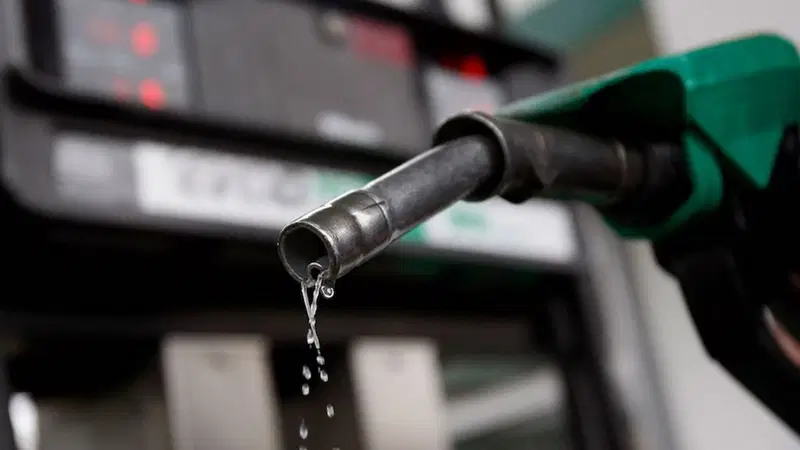
The unions are demanding that petrol prices be reduced to N500 per litre, an immediate wage award for workers and the constitution of a tripartite committee to begin negotiations for a new national minimum wage ahead of 2027.
In a statement by its National Secretary, Olowoyo Gbenga, the council said the current petrol price, which ranges from about N1,450 to N2,000 per litre and is reportedly higher in some locations, had placed severe pressure on workers and their families.
The council proposed government intervention to reduce landing costs and called for the sale of crude oil to the Dangote Refinery and modular refinery operators on terms that would support increased domestic refining and lower petrol prices.
On the wage award, the unions said immediate financial relief was necessary to cushion workers against the rising cost of living.
They also urged the Federal Government to urgently constitute the National Minimum Wage Negotiation Committee to prevent delays in negotiating and implementing a new minimum wage when the current framework becomes due.
The JNPSNC said failure to address the demands by September 30 would leave it with “no option” but to commence the warning strike on Friday, October 2.
The council also urged President Tinubu to address the issues in his Independence Day broadcast.
Meanwhile, the NLC declared its support for the public-sector unions.
NLC Assistant General Secretary, Chris Onyeka, said workers across both the public and private sectors were facing similar economic pressures, particularly following recent increases in petrol and cooking gas prices.
He said the NLC was also concerned that the government had yet to constitute a new minimum wage negotiation committee, arguing that the N70,000 minimum wage had already lost purchasing power to inflation.
Onyeka warned that failure to address the unions’ demands could lead to a broader national strike.
Efforts to obtain a response from the Federal Ministry of Labour and Employment were unsuccessful at the time of filing the report. However, a ministry source said the matter was being handled by the appropriate government authorities.