

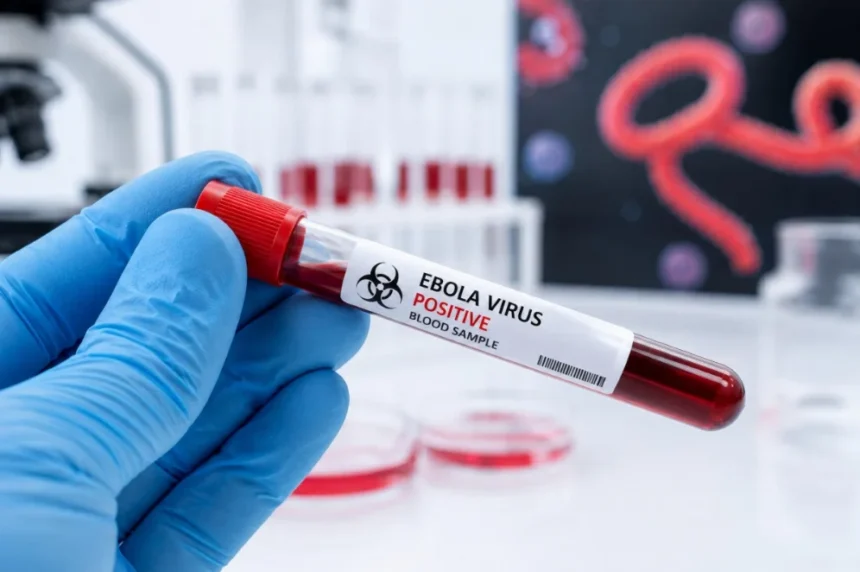
With Nigeria confirming a case of the Bundibugyo strain of Ebola in the Federal Capital Territory (FCT), residents of Lagos have been urged to observe strict hygiene and follow public health guidance to reduce the risk of infection.
Ebola is a severe viral disease that spreads through direct contact with the blood and other bodily fluids of infected people, bodies of people who have died from the disease, or contaminated objects and materials.
Although there is no need to panic, awareness and early reporting of suspected cases are essential to preventing further transmission.
Here are eight ways Lagosians can protect themselves against Ebola.
1. Wash your hands regularly
Wash your hands thoroughly with soap and clean running water, particularly after visiting public places, using public transport or touching potentially contaminated surfaces. Where soap and water are unavailable, use an alcohol-based hand sanitiser.
2. Avoid contact with bodily fluids
Do not touch the blood, vomit, faeces, urine or other bodily fluids of anyone suspected or confirmed to have Ebola. Avoid direct contact with contaminated clothes, bedding, medical equipment and other objects.
3. Avoid handling wild animals and bushmeat
Do not handle wild animals found sick or dead, particularly bats, monkeys and chimpanzees. Avoid raw bushmeat and ensure meat is handled hygienically and thoroughly cooked before consumption.
4. Do not handle the bodies of suspected Ebola victims
Ebola can spread through direct contact with the body of someone who has died from the disease. Residents should avoid touching such bodies or participating in burial practices involving direct contact. Suspected cases and deaths should be reported to health authorities for safe management.
5. Take precautions when caring for sick people
Anyone suspected of having Ebola should receive prompt medical assessment and be managed by trained health professionals. Do not attempt to provide direct care or handle contaminated materials without appropriate protective equipment and training.
If someone develops symptoms consistent with Ebola, contact health authorities immediately and follow their instructions rather than taking the person to a crowded public facility without prior guidance.
6. Monitor your health after possible exposure
Symptoms may appear between two and 21 days after infection. They include fever, fatigue, headache, muscle pain, sore throat, vomiting and diarrhoea. Unexplained bleeding may also occur.
Anyone who has travelled to an affected area or had contact with a suspected case should monitor their health for 21 days and promptly report symptoms to health authorities.
7. Practise safe sex after recovery from Ebola
The virus may persist in semen after a man recovers from Ebola. Survivors should follow medical advice on testing and safer sex until appropriate tests confirm that the virus is no longer present.
8. Avoid spreading rumours and follow official health updates
Lagos residents should rely on verified information from the Nigeria Centre for Disease Control and Prevention (NCDC), the Lagos State Ministry of Health and other recognised public health authorities.
People should avoid sharing unverified reports, disclosing the identities of suspected patients or spreading panic on social media. Anyone who may have been exposed should promptly seek guidance from health officials.
What should you do if you suspect Ebola?
Do not panic or attempt to diagnose yourself. Contact the NCDC or the Lagos State Ministry of Health for current instructions on reporting a suspected case and accessing appropriate medical care. Avoid close contact with others while awaiting guidance.
The bottom line: Regular handwashing, avoiding contact with infected bodily fluids, early reporting of symptoms and following official health advice are essential steps Lagosians can take to reduce the risk of Ebola transmission.