
A coalition of civil society organisations (CSOs) has tasked the National Assembly on proper oversight functions on direct foreign investments in the country to protect the environment and local livelihoods.
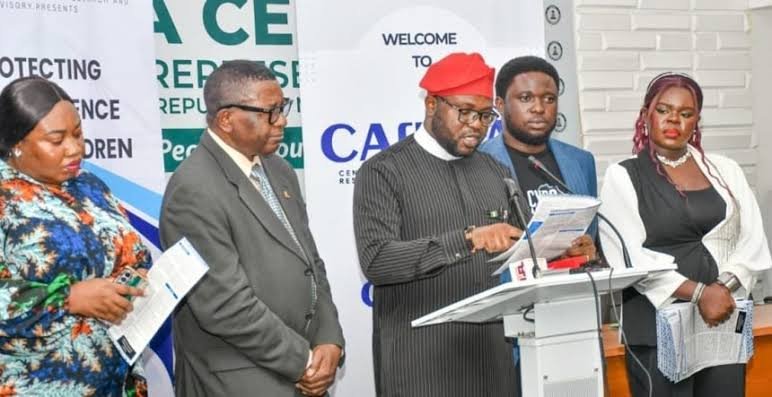
The coalition made the call while addressing a news conference on the sidelines of a workshop organised for media practitioners in Abuja on Wednesday.
The CSOs cited the instance of one of the world’s largest meat processing companies, JBS, which they said had committed to investing 2.5 billion dollars in Nigeria but that the details had not been made public since 2024.
In her remarks, the Programmes Director of Health of Mother Earth Foundation (HOMEF), Mrs Joyce Brown, said the due diligence of such huge investment should not be left to one arm of government alone.
“We are calling on the National Apps Assembly to exercise that oversight function, because currently, we have seen that there is no collaboration among the agencies, departments and ministries of government that are concerned and are supposed to take this up.
“And with this scale of investment and the potential implication for the country as a whole and all the different sectors of the country, we believe that the decision should not be left to just one agency or one ministry.
“So the National Assembly should step in at this point to ensure that there is proper and adequate regulatory oversight,” she said.
Earlier in her presentation, Ms Adesuwa Jang, the Founder and Team Lead, Youth for Environmental Sustainability and Development (YESD), said that single large investment could have adverse effects on the environment and livelihoods of the people.
Jang said that all hands must be on deck to protect the interest and livelihoods of locals and the likely adverse effects on the environment, ahead of foreign investments.
Also, Mr Oluwaseyi Olawuyi, Programme Manager, Youth in Agroecology and Restoration Network (YARN), urged government to create more supportive policies and regulations for local farmers, businesses and livelihoods.
Olawuyi said that financial institutions should provide accessible funding for sustainable food production while research institutions should develop practical and locally appropriate innovations.
He urged government and the private sector to invest in sustainable technologies and food systems, infrastructure development, irrigation, rural roads and storage facilities.
According to him, famers and producers should have access to the knowledge and skills needed to adopt sustainable practices.
CSOs task NASS on oversight on foreign direct investments

Leave a comment