

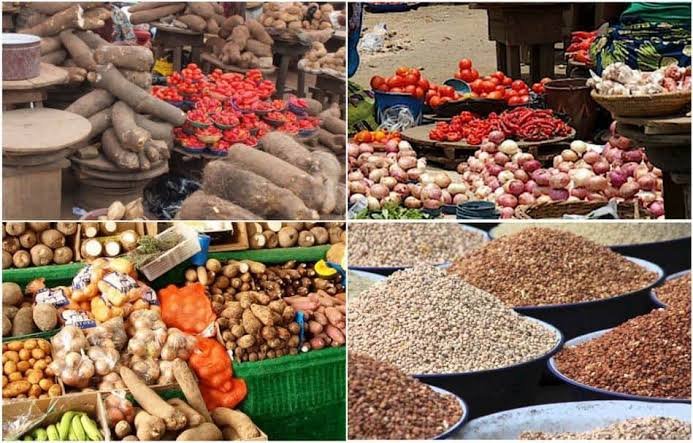
Rising food prices and persistent electricity outages are forcing many Nigerian households to change the way they buy, preserve and consume food, putting additional pressure on already strained family budgets.
Data from the National Bureau of Statistics (NBS) shows food inflation increased from 16.96 per cent in May to 17.52 per cent in June, underscoring the continued rise in the cost of food despite government efforts to stabilise the economy.
Residents, traders and an economist who spoke to the News Agency of Nigeria (NAN) said soaring prices and unreliable power supply are reshaping household spending and business operations.
A cleaner in Lagos, Kemi Hassan, said her family now survives on cheaper meals because balanced diets have become unaffordable. Fish trader Hajara Bello also said she now stocks fewer cartons of fish to reduce losses caused by poor sales and the high cost of preserving perishables.
Similarly, Ikeja resident Chioma Mbanefo said grocery shopping has become increasingly difficult, with rising prices forcing her to abandon many items on her shopping list.
Economist Josephine Eze attributed the situation to persistent food inflation and erratic electricity supply, which have increased production and preservation costs. She urged the government to improve electricity supply, strengthen transport infrastructure and support local food production to help reduce food prices and ease the burden on households and businesses.