

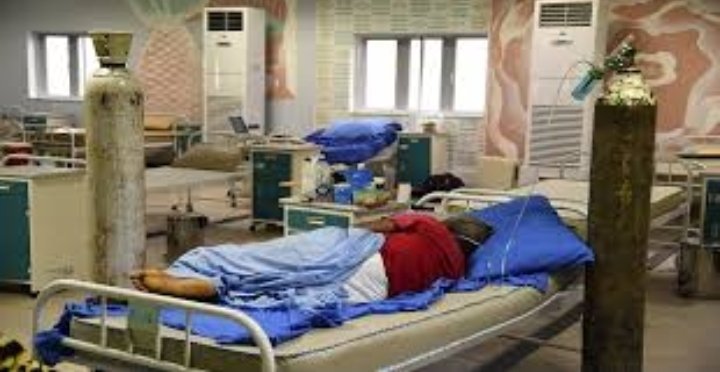
The Nigeria Centre for Disease Control and Prevention (NCDC) has raised the alarm over a wave of deadly infectious disease outbreaks sweeping across 34 states, including Lagos, warning that Nigeria is on the brink of a major public health emergency.
In an official alert released Friday via its website, the NCDC identified five major diseases currently surging across the country: cholera, dengue fever, Mpox, diphtheria, and yellow fever—each demanding immediate national attention and coordinated intervention.
According to the update covering epidemiological week 26 (June 23–29, 2025), Lagos is among the heavily affected states, along with Zamfara (which accounts for 32% of all cholera cases), Bayelsa, Adamawa, Delta, and Rivers.
“The situation demands heightened vigilance and intensified response efforts from all stakeholders,” the agency warned.
Cholera, caused by the bacterium Vibrio cholerae, leads to severe diarrhoea and dehydration, and can be fatal if not treated promptly. The current outbreak is being fuelled by poor sanitation and unsafe drinking water.
The NCDC also confirmed an outbreak of dengue fever in Edo State between June 9 and 13 following laboratory confirmation. Dengue, like yellow fever, is transmitted by Aedes mosquitoes and thrives in environments with stagnant water and poor waste disposal.
Yellow fever has now been confirmed in Abia, Anambra, Edo, Ekiti, Lagos, and Rivers states, with seven cases verified in the latest report.
“The yellow fever vaccine remains the most effective prevention strategy,” the NCDC emphasized.
The Centre also flagged ongoing cases of Mpox and diphtheria. Mpox presents with fever, rash, and swollen lymph nodes, while diphtheria causes painful throat infections and breathing difficulties—often life-threatening without timely medical care.
The NCDC urged all Nigerians to adopt preventive measures including:
- Eliminating mosquito breeding sites
- Sleeping under insecticide-treated nets
- Using insect repellents
- Maintaining personal and environmental hygiene
- Avoiding self-medication
- Seeking medical attention early—especially for symptoms that resemble malaria
With the threat level rising and Lagos among the critical hotspots, public awareness, early detection, and swift government response are crucial to curbing the spread of these life-threatening diseases.