
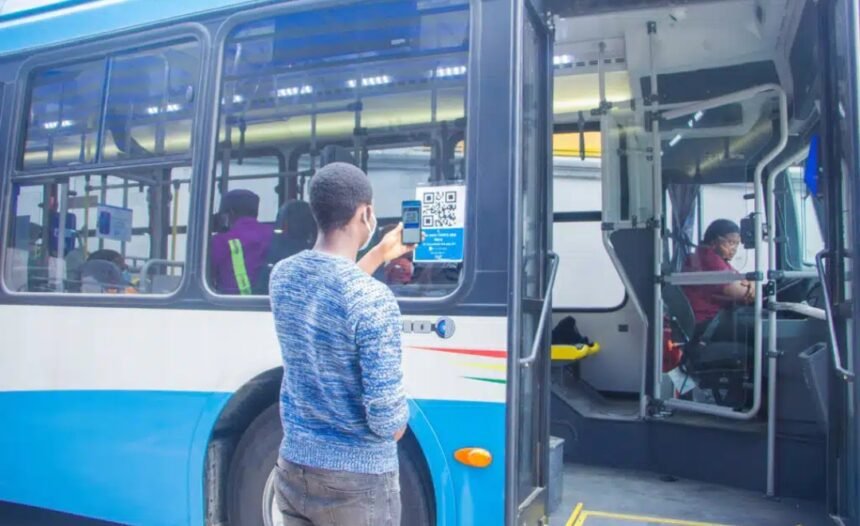
The Lagos State Government has approved a 13 percent increase in fares across all Bus Reform Initiative (BRI) services, including Bus Rapid Transit (BRT) and standard bus routes, with effect from March 2, 2026.
Governor Babajide Sanwo-Olu endorsed the adjustment following appeals from regulated transport operators, who warned that rising operational costs were threatening the sustainability of public transport services.
Officials said the decision is in line with the state’s annual fare review framework and reflects prevailing economic realities. According to data from the National Bureau of Statistics, Nigeria’s inflation rate stood at 15.2 percent at the close of 2025, significantly impacting transportation and other essential sectors.
Bus Operating Companies (BOCs) have cited escalating expenses, including vehicle maintenance, spare parts, fuel, and staff wages — particularly after the implementation of the new national minimum wage. Operators also noted ongoing investments in newer, cleaner, and more fuel-efficient buses aimed at improving service delivery and passenger comfort.
Commuter Concerns
The fare hike is expected to place additional pressure on millions of Lagos residents who depend daily on BRT services for work and business. With food prices, rent, and utility costs already high, many commuters say the increase will deepen financial strain, especially for low- and middle-income earners whose wages have not kept pace with inflation.
While transport analysts acknowledge that periodic fare adjustments may be necessary to sustain operations, they stress the need for a careful balance between economic viability and social impact. Some have suggested targeted subsidies or operational efficiency reforms to cushion the effect on vulnerable residents.
As the new fare regime takes effect, commuters will be watching closely to see whether service quality improves in tandem with the increase and whether further measures will be introduced to ease the burden.