

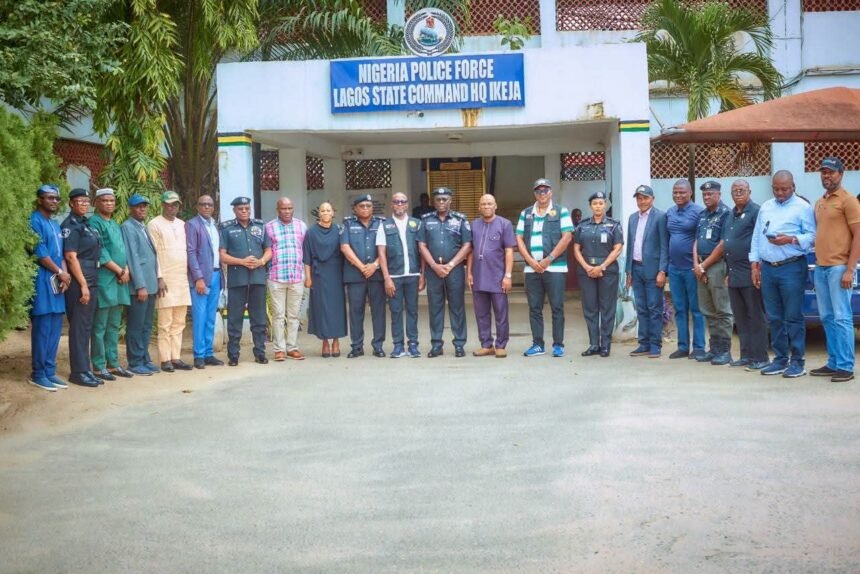
The Lagos Waste Management Authority (LAWMA) and the Lagos State Police Command have agreed to strengthen their partnership to combat indiscriminate waste disposal, illegal activities and encroachment at dumpsites, while improving the protection of waste management facilities and personnel across the state.
The agreement was reached on Tuesday when LAWMA Managing Director and Chief Executive Officer, Dr. Muyiwa Gbadegesin, paid a courtesy visit to the Lagos State Commissioner of Police, CP Tijani Fatai, at the command headquarters in GRA, Ikeja.
Gbadegesin called for increased police support for LAWMA’s enforcement and operational activities, noting that Lagos’ growing population had continued to put pressure on the state’s waste management infrastructure.
He said the state currently generates between 13,000 and 16,000 tonnes of waste daily, stressing that managing the volume requires sustained operational efforts, effective enforcement and stronger inter-agency collaboration.
The LAWMA boss said the Authority was intensifying waste collection, infrastructure development, recycling and resource recovery initiatives, but noted that security agencies remained vital to protecting waste facilities and enforcing environmental regulations.
He also raised concerns over the safety of LAWMA personnel, including enforcement officers and street sweepers, who evacuate illegally dumped waste. According to him, some workers have faced resistance and attacks from unauthorised persons, including armed scavengers, while performing their duties.
Responding, Fatai acknowledged LAWMA’s critical role in maintaining a clean, healthy and sustainable environment in Lagos, commending the Authority for its continued efforts to improve waste management and environmental sanitation.
The police commissioner noted that indiscriminate dumping and other environmental violations by some residents continued to undermine progress in waste management.
He stressed the need for stronger enforcement, increased public awareness and greater compliance by residents to sustain the gains recorded in environmental sanitation across the state.