
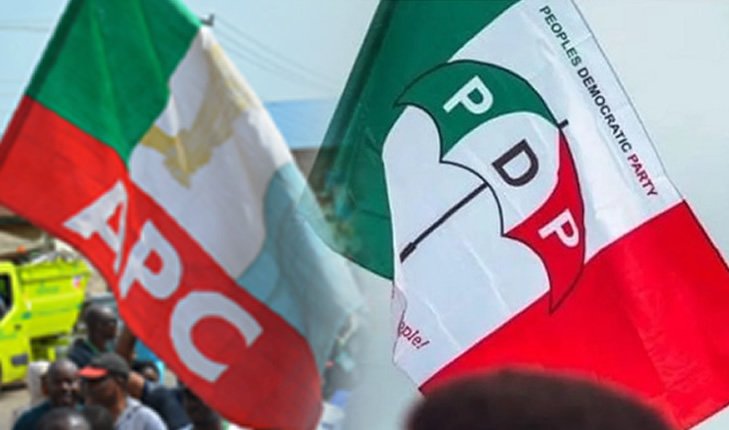
The legality of Lagos State’s local government council elections scheduled for July 12, 2025, has been called into question. The Lagos State Independent Electoral Commission (LASIEC) is being questioned by a number of groups, notably the Peoples Democratic Party (PDP), regarding its legitimacy and authority to hold the elections on that date.
The primary players include the Independent National Electoral Commission (INEC), Nigeria’s national electoral body; the judiciary; civil society organizations; local voters; the Peoples Democratic Party (PDP), which contests the election results; the All Progressives Congress (APC), the ruling party whose candidates were proclaimed the winners; and LASIEC, the electoral body in charge of the poll.
The dispute and the elections were held throughout Lagos State, Nigeria, particularly in a number of local government and Local Council Development Areas (LCDAs), including Yaba Local Council Development Area’s Ward F, Iwaya.
The elections were held on Saturday, July 12, 2025. The controversy and public responses, including calls for investigations, emerged in the days following, particularly on Tuesday, July 15, 2025.
Questions about the election’s legality stem from the timing and authority of LASIEC. According to the Electoral Act 2022, local government elections must be held within a specific time frame, and critics argue that LASIEC’s scheduling ignored these provisions.
Additionally, there are ongoing court cases and rulings relating to the status of Lagos State’s 37 LCDAs, with delays in implementing local government laws adding to the confusion over whether LASIEC had proper authority for the polls. PDP alleges that throughout the election process, there were also irregularities such as ballot snatching and result manipulation, but the central focus remains on the legality of LASIEC’s mandate to conduct the election.
The legal validity of the elections affects the credibility of the entire local governance system in Lagos State. Holding elections without following legal procedures undermines democratic processes and can create confusion over who has lawful authority to govern.
It also raises concerns about respect for the rule of law in Nigeria’s most populous state. For the PDP and many Lagos residents, this election is not just about political rivalry but about protecting democracy, ensuring transparency, and upholding citizens’ rights to free and fair elections under the law. The situation calls for urgent clarifications from INEC, the courts, and other democratic institutions to restore trust and order.