

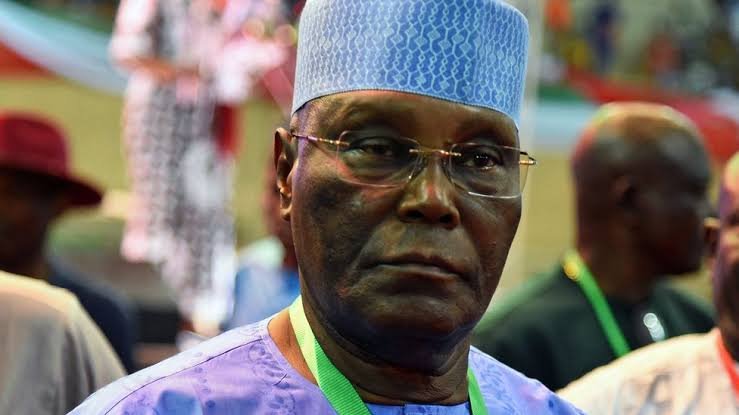
The presidential candidate of the African Democratic Congress (ADC), Atiku Abubakar, has promised to review the Nigerian Education Loan Fund (NELFUND) scheme and introduce debt forgiveness for qualifying student beneficiaries if elected.
Atiku’s position was conveyed by his Senior Special Assistant on Public Communication, Phrank Shaibu, in response to President Bola Tinubu’s recent comments defending NELFUND and criticising Atiku’s proposal to reduce energy costs.
Shaibu described the President’s presentation of NELFUND as evidence that education had become more affordable as “dishonest”, arguing that the government should first address the rising cost of education rather than rely on loans to help students cope.
He likened the policy to “witchcraft economics”, saying the government had increased the financial burden on students before offering loans as a solution.
According to Shaibu, Atiku believes the existing student-loan framework requires a comprehensive review and that eligible beneficiaries should not be forced to begin their working lives under the burden of education debt.
“His approach will reduce the underlying cost of education and, after review, provide forgiveness for qualifying student debts so that young Nigerians can graduate with hope rather than repayment burdens,” he said.
Shaibu stressed that NELFUND loans should not be presented as scholarships, arguing that the real test of education policy should be whether families can afford to keep their children in school without borrowing.
He also rejected claims that Atiku’s proposal to reduce energy costs through an intervention involving Nigerian crude supplied to domestic refineries would undermine NELFUND funding, workers’ salaries or the minimum wage.
“If your government has the arithmetic, Bola, publish it. Show Nigerians, line by line, how a transparently budgeted subsidy tied to Nigerian crude and domestic refining suddenly empties NELFUND or workers’ pay packets,” he said.
Shaibu maintained that reducing energy and transportation costs would instead improve Nigerians’ purchasing power, allowing workers’ salaries to stretch further and reducing the financial pressure on students and their families.