

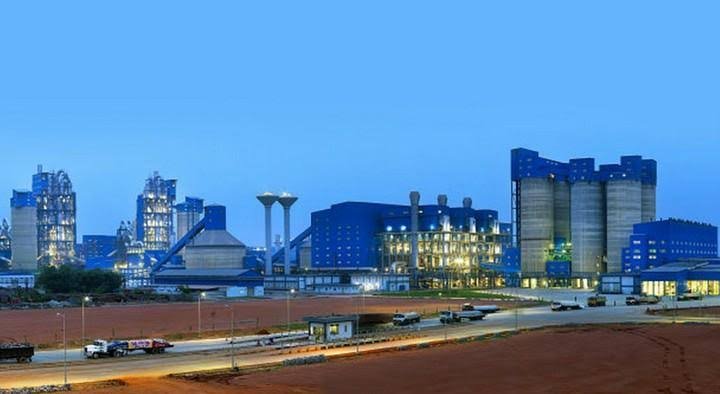
Lagos and Ogun attracted N1.74tn in industrial investments between 2024 and 2025, accounting for 87.32 per cent of the total investments recorded across Nigeria’s 36 states.
Data from the Manufacturers Association of Nigeria showed that the other 34 states attracted N252.23bn, representing about 12.7 per cent of investments during the period.
The figures further highlight the dominance of the Lagos-Ogun axis as Nigeria’s major manufacturing corridor, with experts attributing the concentration to market size, access to ports, infrastructure and proximity to major commercial centres.
Lagos benefits from its large consumer market, financial ecosystem and access to major maritime gateways, including the Apapa, Tin Can Island and Lekki ports, as well as international and domestic airports.
Ogun, on the other hand, has benefited from its proximity to Lagos and availability of land for industrial expansion, with major clusters emerging around Agbara, Igbesa, Ota and Sango-Ota.
Between 2014 and 2020, manufacturers invested N3.35tn in Nigeria, with Ogun accounting for N1.68tn, or 50.16 per cent, while Lagos attracted N928bn, representing 27.7 per cent.
Several major companies, including Fidson Healthcare, May & Baker, Pure Chemicals, Eagle Packaging, Nycil Limited, Dufil, Flour Mills of Nigeria, Unilever and Jaro Industries, established operations in Ogun during the period.
Economists said the concentration of investment in the two states also reflected infrastructure and logistics challenges in other parts of the country.
They noted that the absence of functional seaports in several regions increases the cost of transporting imported raw materials and finished goods, making areas farther from major ports less attractive to manufacturers.
The Chief Executive Officer of the Centre for the Promotion of Private Enterprise, Muda Yusuf, said Lagos and Ogun had significant advantages because of their large markets and proximity to ports.
He added that Lagos also served as a major financial hub, giving businesses easier access to finance and commercial services.
A consultant economist and former Central Bank of Nigeria analyst, Nonso Ihuoma, similarly attributed Lagos’ advantage to its coastal location and access to functioning seaports.
Ihuoma called for the development and expansion of ports in other parts of the country, alongside incentives by state governments to attract manufacturers and diversify industrial investment.
Experts also identified poor road and rail infrastructure, high logistics costs and insecurity as factors discouraging manufacturers from establishing factories outside the Lagos-Ogun corridor.