

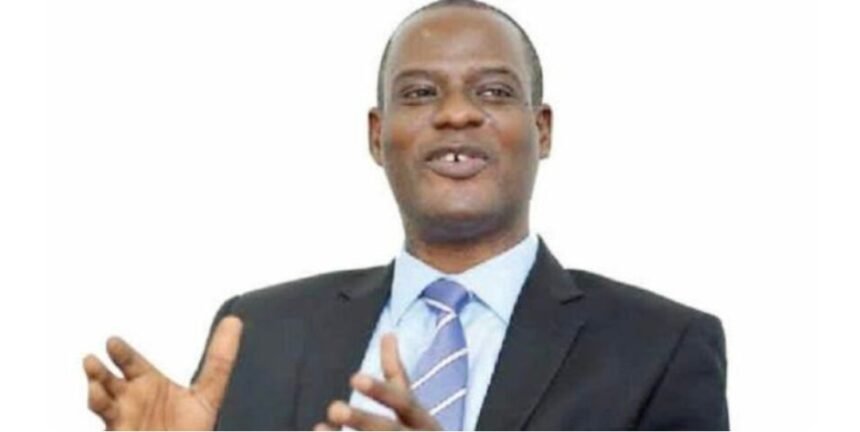
In a bold reaffirmation of Nigeria’s new tax direction, Taiwo Oyedele, chairman of the Presidential Fiscal Policy and Tax Reforms Committee, has declared that no income earner will be exempt from tax — regardless of profession, legality, or morality.
Speaking during an interactive session with journalists, influencers, and public analysts on Friday, Oyedele stressed that the duty to declare income is a long-standing legal obligation, not a new burden created by recent reforms.
“Sex workers, agberos — everybody has the responsibility to self-declare. That is the first obligation in the law,” he said, underscoring that the updated tax regime only enforces what has always existed in Nigeria’s statutes.
He explained that the four new tax reform bills, signed into law by President Bola Tinubu on June 26, will take effect on January 1, 2026, ushering in a more transparent and technology-driven tax system.
“These new tax laws are not imposing new taxes on anyone who was not taxable before,” Oyedele clarified. “If I am an agbero collecting fares at a bus park and getting paid, how is that different from a waiter or an accountant? You earn income — you pay tax.”
Dismissing the controversy over his earlier reference to sex workers, the tax reform chief said morality or legality cannot be used to determine who pays tax.
“There are court judgments around the world confirming that tax laws do not consider morality or legality,” he explained. “Otherwise, everyone would simply make their work illegal to avoid tax. Even in the U.S., the IRS once issued a notice saying if you steal, you must declare it for tax purposes.”
Oyedele further revealed that Nigeria’s system has built-in mechanisms to trace undeclared income, stressing that the days of hiding earnings are numbered.
“If an agbero or journalist fails to declare income, the system will still find out,” he warned. “When you earn money, you either spend, save, or invest — and all those activities leave a trail that can be validated.”
The reform chairman reiterated that the new framework is not about punishment but about building fairness and accountability, ensuring that every Nigerian — regardless of occupation — contributes to the nation’s development.