

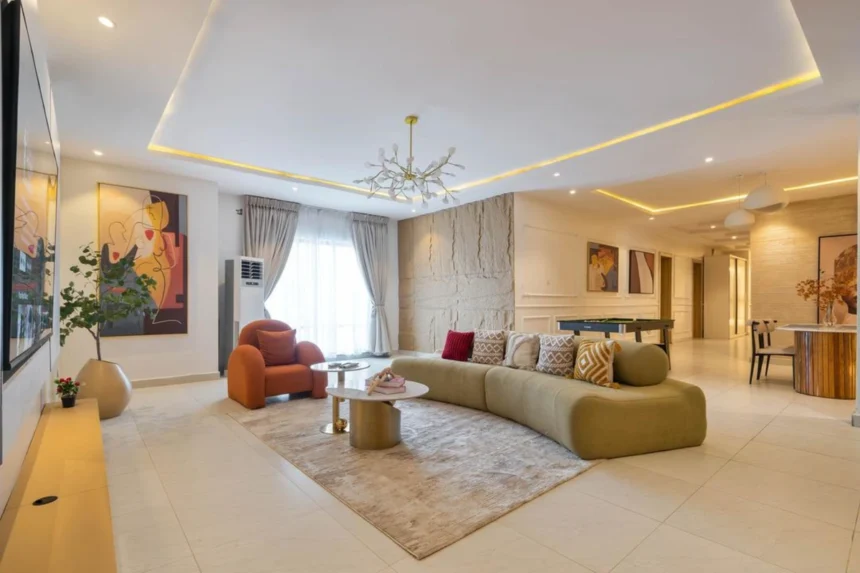
Lagos’ shortlet apartment market is facing growing competition as more property owners and developers enter the sector, putting pressure on operators to control costs, improve management and invest more heavily in marketing.
Temidayo Oloyede, Co-founder and CEO of Edala Development, said operators would not be affected equally by the rising supply, noting that the quality of management would increasingly determine which businesses remain profitable.
Speaking at the Edala Investor’s Summit 2.0 in Lagos, Oloyede said operators with multiple properties could better absorb rising costs and withstand periods of weaker occupancy.
He added that competition for customers would also become more aggressive, with operators expected to spend more on marketing and influencer campaigns to secure bookings.
According to Samuel Olatunde, COO and Co-founder of Edala Development, occupancy across the company’s properties ranges from about 59 per cent at the lower end to as high as 80 per cent during peak periods. He said demand is typically strongest between December and February.
However, Olatunde noted that the absence of reliable industry-wide data makes it difficult to determine whether Lagos’ shortlet market has actually reached saturation. Individual operators’ occupancy figures, he said, cannot necessarily be used to assess the performance of the wider market.
The growing supply has nevertheless intensified competition, with operators increasingly investing in better furnishings, backup power, premium amenities and professional management to differentiate their properties.
Some operators now say a shortlet apartment needs at least 10 booked days a month to remain commercially viable, while shorter bookings are becoming more common as businesses work to maintain occupancy.
Two-bedroom apartments remain among the most sought-after units, attracting business travellers, leisure guests and families.
The trend follows growing interest from property owners and investors who have shifted from conventional rentals to shortlets in search of potentially higher returns and strong demand, including from Nigerians in the diaspora.
However, the market is also facing regulatory and security concerns. In February 2026, the Banana Island Property Owners and Residents Association banned shortlet and Airbnb-style rentals within the estate, citing security and privacy concerns. /First reported by NM